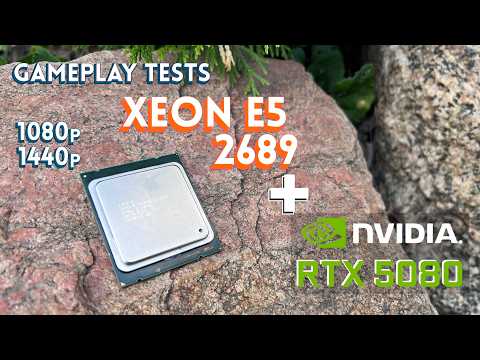
You ever had that moment when your computer’s chugging along like it’s stuck in sticky mud? Ugh, right? Imagine you’re working with a Xeon E5-2687W. It’s a beast, but sometimes even beasts hit bumps on the road.
Now, fancy names aside, this processor is like the brain of some really snazzy workstations and servers. It’s got power—lots of it! But hey, just like how my Uncle Joe gets out of breath chasing his dog down the street, even powerful processors can hit some limits.
We’re talking bottlenecks here. You know, those things that make your speedy machine suddenly feel like it’s taking a leisurely stroll. Frustrating as heck! But don’t worry—there’s always a way to grease those gears and keep things moving smoothly. Curious how? Stick around; it’s simpler than you’d think!
Xeon Processor Performance Limitations
Ah, the world of Xeon processors! If you’ve ever delved into server or workstation setups, you’ve probably bumped into Xeon CPUs. They’re like the diesel engines of computing; powerful and robust for heavy-duty tasks. Among them, the Xeon E5-2687W is one of those processors designed for serious business. But hey, even the mighty have their quirks and limitations.
When we’re talking about performance limitations, particularly with a processor like this one, there are a couple of things that come into play. The first thing to remember is that as powerful as these CPUs are, they aren’t infallible—like how even a sports car can hit traffic and slow down.
- Thermal Throttling: Imagine running a marathon but overheat halfway through? Processors feel this too! When they get too hot, they slow down to cool off. It’s basically them saying: “I need a break!” So proper cooling solutions are key.
- Cores vs Clock Speed: The Xeon E5-2687W has multiple cores—that’s like having multiple workers doing different tasks simultaneously. But if you’re running software that relies more on high clock speeds instead of multi-threading capabilities, then you’re not using its full potential effectively.
- Memory Bandwidth: Think of memory bandwidth as roads leading to your CPU city. If those roads aren’t wide enough (or fast enough), data gets bottlenecked no matter how fast your processor can handle it.
- I/O Performance: This usually comes up when handling large datasets or intensive read/write operations on storage devices. Faster SSDs might help alleviate these bottlenecks.
Want some tips on how to address these? It’s like giving your CPU some new shoes for that marathon!
- Bigger Cooling Solutions: Invest in efficient cooling systems! Water cooling perhaps? It keeps temperatures low letting your CPU run at full throttle without having to pump the brakes due overheating concerns.
- Bios Updates & Optimizations:: Keeping everything updated ensures compatibility improvements optimizations across hardware-software interactions which sometimes addressed by BIOS updates from manufacturers specially related latest standards (PCIe/NVMe support).
- Choose Software Wisely : Some software take better advantage than others multiple-core environments paying attention tasks undertaken utilize threads efficiently leveraging entire capability processor something overlooked often forgotten by newcomers starting out workstations servers alike .
You see ? It ‘s all about finding balance , where each component complements another achieving harmony within system allowing operate peak condition naturally avoiding pesky slowdowns . As always , thorough research planning ahead pivotal ensuring happy healthy computing experience altogether !
Differences Between E5 2690 and 2687W Processors
When we chat about CPUs, it’s easy to feel like you need a secret decoder ring to understand all those numbers and letters. Among the Xeon family, the E5-2690 and the E5-2687W are like siblings with their own personalities. They’re both powerful, sure, but they have their quirks and strengths.
Clock Speed & Performance:
The E5-2687W is known for its higher clock speed. It’s kind of like a sprinter in the processor world—great for workloads that need a lot of power in short bursts. We’re talking base clocks around 3.1 GHz for the 2687W compared to about 2.9 GHz for its counterpart, the E5-2690.
Cores & Threads:
- E5-2687W: 8 cores and supports Hyper-Threading, which means it can handle 16 threads simultaneously.
- E5-2690: Also has 8 cores with Hyper-Threading support.
Both have similar numbers here, so no major surprises.
TDP – Thermal Design Power:
Imagine this as how much heat each chip needs to dissipate when under full load (like watching your favorite series back-to-back). The E5-2687W requires more cooling due to its approximately 150W TDP. The E5-2690 is a bit cooler at about 135W.
Bottlenecks & Solutions:
Now speaking of performance bottlenecks—those moments when you’re hitting that invisible wall—you might find these more noticeable with demanding applications if your cooling setup isn’t up to scratch or if your system’s memory bandwidth can’t keep up.
- Cooling Solution: Always ensure proper ventilation and maybe invest in an extra fan; these workhorses run hot!
- Memory Bandwidth Consideration: Pair either CPU with fast RAM modules (DDR3 recommended) for smoother performance.
The choice between them boils down to specific needs: If you often run software benefiting from higher core speeds—like server tasks or complex calculations—the E5-2687W might call out louder. But if you’re seeking balanced energy consumption without sacrificing too much speed? Then bingo! The E5-2690 could be your pick.
Anyway there you go! That’s basically how they compare on paper—and remember having efficient cooling makes all difference whether tackling big data sets or just managing everyday workloads comfortably on these CPUs.
Xeon Gaming Performance Limitations
Sure thing! Let’s dig into the topic of Xeon gaming performance and understand some of its quirks.
The **Xeon E5-2687W** is one of those processors that might surprise you. It’s powerful, no doubt—a real workhorse designed for heavy-duty tasks like rendering or server operations. But when it comes to gaming, it can be a bit tricky.
Performance Limitations
First off, why would anyone want to game on a Xeon? Well, sometimes folks have these powerful CPUs around for work and get curious about their gaming chops. The thing is, while the E5-2687W shines with multi-threaded apps (that’s tech-speak for programs that can split work among many processor cores), many games don’t really need all that power.
Games often care more about single-core performance—the speed of individual cores—over having lots of them. And this is where the Xeon hits a bump in the road:
- Lower Clock Speeds: Although it’s got many cores ready to jump into action, its clock speed isn’t as high as what you’d find in mainstream gaming CPUs.
- Lack of Overclocking: Unlike some other processors built just for gaming—which let you push them beyond their rated speeds—the E5-2687W doesn’t play along with overclocking.
- Compatibility Issues: Occasionally, boards and RAM compatible with Xeons aren’t optimized for typical desktop setups.
Potential Bottlenecks
Let’s dive into bottlenecks now—those pesky things that hold your system back from reaching full potential.
- Graphics Card Pairing: Pairing an older or slower GPU with this CPU means your graphics card might slow down your overall performance. Always make sure they’re balanced!
- Caching Differences: The cache on Xeons differs from consumer-grade CPUs; this affects real-time processing that’s crucial in games.
Solutions
Now if you’re working with what you’ve got and thinking “how do I make the best outta this situation?”, there are tweaks to consider!
- Tweak Settings: Adjust in-game settings—focusing more on visual effects than resolution could ease up demands on your CPU.
- Smooth System Performance: Ensure cleanliness inside your PC case along with up-to-date drivers and software minimizing background operations during gameplay—all these little things boost efficiency!
Anyway hope this gives you some insight into using something like a **Xeon E5-2687W** when playing games!
Ah, the Xeon E5-2687W. That’s a good old friend for anyone who’s been tinkering with server-grade hardware. I remember when I first got to play with one of these processors, it felt like sitting behind the wheel of an old but reliable race car. It’s powerful, no doubt about that, but sometimes even workhorses like this can hit a few bumps on the road.
Now, let’s chat about performance bottlenecks, which can be a bit frustrating if you’re aiming for that smooth ride through demanding workloads. Picture yourself trying to upload gigabytes of data while your internet is acting up—annoying right? It’s kind of like that with bottlenecks in processors.
With the E5-2687W, one common sticking point might be its memory bandwidth. Even if you’ve got tons of RAM to throw at it, if everything’s not perfectly in sync—like mismatched dance partners—you might feel things aren’t as snappy as you’d expect.
Another culprit could be thermal throttling. That’s when your processor gets too hot and decides to take it easy until things cool down again. Imagine running a marathon with heavy boots; you gotta take breaks when things get too intense!
But hey! There are ways around these roadblocks. First off, check that cooling system—is it up-to-date? A sleek water-cooling setup could make all the difference versus standard air cooling if you’re pushing this processor hard.
And don’t forget about software tweaks! Optimizing how applications manage multi-threading can really shake off those cobwebs clogging up performance efficiency.
At the end of day though—oh boy—the E5-2687W remains legendary for anyone who appreciates solid raw power balanced with just enough flexibility needed by both professionals and home enthusiasts alike!