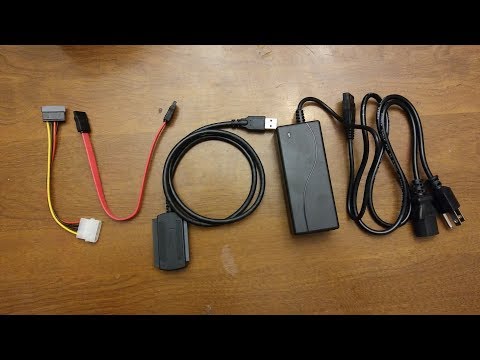
You know, connecting an old IDE HDD to USB can feel like trying to fit a square peg into a round hole! It’s one of those things that sounds super simple at first… until it’s not. And then you’re left scratching your head, wondering where everything went sideways.
I remember when I rescued my ancient hard drive from the depths of my closet—felt like I was on a treasure hunt. But getting the darn thing to play nice with modern tech? Ha! That was another adventure altogether.
Sometimes you plug everything in, and nothing happens. Other times, you get mysterious error messages that might as well be in alien language for all the sense they make. We’ve all been there!
But don’t worry, we’ll sort it out together. Whether it’s your adapter acting up or just some settings needing a tweak, there’s usually a way to get that data flowing again.
USB Adapter for IDE HDD Connection
Sure thing! Let’s go on a little journey into the world of USB adapters and IDE hard drives. We’re gonna keep it light and friendly.
So, once upon a time, there were these things called IDE hard drives. They were popular before SATA took over. If you’ve got one and you’re trying to connect it to your modern computer through USB—well, you might run into some quirks!
Using a USB Adapter
You can use a USB-to-IDE adapter. This nifty gadget lets you connect those old-school drives to modern computers via a USB port.
- Make sure it’s compatible: Double-check that your adapter supports the size: 2.5″, 3.5″, or even larger.
- Power supply is key: Some larger desktop IDE HDDs need external power.
Troubleshooting Common Issues
Here’s where it gets interesting! Connecting these things can sometimes be like coaxing an old cat; you know? It doesn’t always work at first go.
- No detection? If your system doesn’t recognize the drive, make sure all connections are snug. Loose cables are a common hiccup.
- Noises or failure to spin: Ensure that you have connected the power supply properly because these drives are divas—they need their juice!
Operating System Recognition
Once everything is physically connected, software has to get involved! It’s like bringing two different generations together for tea—they might not understand each other right away!
- If Windows doesn’t see it initially—(happens all the time!), try checking Disk Management; sometimes you’ll just need to assign it a new drive letter.
- If you’re using macOS or Linux, you’ll want to check if the disk mounts automatically but be ready with terminal commands if you’re feeling brave!
This tech adventure does require patience and perhaps some persistence… but that’s the spice of working with retro tech! Remember, every small step is progress when dealing with older hardware. Maybe it’ll bring back nostalgia—or maybe you’ll just be relieved once it’s done! Either way—you’ve got this!
USB Connection Compatibility Check
Connecting an old IDE hard drive to your computer via USB can feel like trying to fit a square peg in a round hole, right? But fear not! It’s doable, and I’ll guide you through it. You see, IDE drives aren’t as common as they used to be, and tackling them might seem like you’re entering a time machine. Let’s jump into some common compatibility issues and fixes.
First up: adapter incompatibility. Not all USB-to-IDE adapters play nice with every hard drive. You might run into trouble if your adapter doesn’t support the specific ATA standard of your drive. Here’s what you need:
- Adapter Compatibility: Ensure that the adapter you’re using supports both 3.5-inch and 2.5-inch drives since their power needs differ.
- Power Supply: Some larger drives need external power, so make sure your adapter includes a power source or connector for this purpose.
Another hiccup could be the good ol’ jumper settings. Remember those tiny plastic pieces on the back of hard drives? Yeah, they still matter here:
- Master/Slave Configuration: Set the jumper on Master (most times), especially if it’s being finicky when connecting via USB.
Let’s move on to ensuring the system recognizes it correctly. It’s like when your dog meets another dog for the first time: sometimes they get along immediately; other times… not s’much.
Troubleshooting connection issues is next:
- Device Manager Check:If you’re using Windows, head over to Device Mananger & look for any yellow exclamation marks showing an issue with device recognition.
- Disk Management Dance:Your drive might need formatting or partition adjustments before popping up properly in Windows explorer or Finder.
Finally…to wrap it all up nicely…it’s reassuring knowing you’ve revived that ancient box of storage gold! Sure there might’ve been virtual speed bumps along way but it’ll feel rewarding accessing data again after troubleshooting successfully who’d have thought reconnecting was even possible without smidgeso f magic dust✨😄
If you’ve walked away feeling good about connecting an IDE HDD over USB well then job’s done right eh?
Procedure for Repairing Corrupted USB Hard Drives
Connecting your trusty old IDE HDD to a USB port can sometimes feel like trying to connect two different worlds. It’s kind of like trying to fit a square peg into a round hole, honestly. Not that it can’t work, just needs a little more than the usual plug-and-play magic.
First things first, you need an IDE-to-USB adapter. These nifty gadgets work as a bridge between your vintage IDE hard drive and modern USB ports. They usually come with their own power supply because older drives need more juice than what USB can provide.
- Check Connections: Make sure the adapter and the drive are well-connected. The pins on an IDE drive are tiny and delicate—missing one pin can mean no data transfer at all.
- Power Supply: Verify that the power supply is connected firmly. Without enough power, your drive won’t spin up properly, which can make it seem dead even if it isn’t.
- Use an External Power Source: Some adapters come without their own external power source—you’ll have to hunt for one yourself.
Once you’ve got everything connected properly, look at whether your computer recognizes the device. **No recognition?** Don’t worry just yet! It’s not game over.
Troubleshooting Steps:
- Check Device Manager: If Windows or macOS doesn’t show any sign of life from your hard drive, open Device Manager (or Disk Utility on macOS) to see if it’s hiding in there.
- Update Drivers: Out-of-date drivers can throw up roadblocks where you’d least expect them. Go online and ensure the latest drivers for USB devices are installed.
If these steps don’t fix things right away… we might be looking at some file corruption problems that could be plaguing your poor old hard disk.
If Your Drive Is Recognized but Data Seems Corrupted…
- Error Checking Tool: Windows offers an error-checking tool—right-click on the drive in ‘This PC’, then select ‘Properties’. Navigate over to ‘Tools’ tab where you’ll find options for checking errors with one simple click.
- *Using CHKDSK:*You may run into stubborn errors requiring command-line intervention! Open Command Prompt as Administrator by typing `cmd`, hit enter then type `chkdsk /f X:` replacing “X” with your actual disk letter!The tool performs extensive checks aimed at locating corrupted sectors or files worth recovering automatically whenever possible!Phew now isn’t technology amazing?
Hang tight—and remember most people have faced similar challenges—though crucial patience ultimately pays off ensuring optimal results achieved carefully following above steps closely every time connecting beloved vintage equipment via novel technological connections bridging eras together seamlessly again naturally precision consistently delivered forth uniting eternally present timeless machines future-bound adventures daily new discover awaiting dreamy pathways evolving modern stories embracing wise technological solutions reimagining abilities ahead!!
You know, there’s something oddly nostalgic about old technology. I mean, I remember the days when the humble IDE HDDs were like the beating heart of our computers. Kind of bulky, not particularly fast by today’s standards, but reliable in a way that, oh boy, makes me feel all warm and fuzzy inside. Maybe you’ve got an old IDE drive sitting around with cherished memories on it—old photos, classic games—and you’d love to access them again.
Here’s the catch though: trying to connect these old drives to modern systems can feel like trying to fit a square peg in a round hole sometimes! Mostly because IDE connectors are pretty much retired from active duty. We’ve moved on to SATA and NVMe interfaces now. But hey, that doesn’t mean it’s game over for your data treasures!
Here’s where those handy dandy USB-to-IDE adapters come in—they’re kind of tiny miracle workers if you ask me. They let us bridge the gap between old and new tech quite seamlessly… well almost seamlessly.
Now let’s talk about those pesky problems. One hiccup people often bump into is power supply issues. You see, these old drives need what’s called “Molex power connectors.” If your adapter doesn’t have one or it’s faulty… well let’s just say your drive might be taking a longer nap than expected.
And then there’s the whole driver compatibility saga! Sometimes you plug everything in only for nothing to happen on screen—no “ding” sound from Windows or pop-up message saying “Oh hello there!”. It’s frustrating enough to make anyone sigh deeply out loud dramatically (been there!).
A simple fix could be checking whether your adapter needs special drivers installed first—some do while others are more plug-and-play friendly.
Another common challenge? The infamous “drive not showing up.” Gosh I hate when that happens! It’s usually down to formatting issues; maybe Windows can’t recognize an older file system format like FAT32 that’s still stuck on your elderly disk buddy.
To work around this headache-inducing issue—you get creative! Tools like Disk Management in Windows are great for detecting stubborn drives if they’re feeling shy about showing themselves usually after updating their partition tables or even introducing them through different OSs entirely!
In short—as tangled as things may seem when linking decades-old hardware with our snazzy modern gadgets (like balancing vintage class against high-tech flash), rest assured there ARE ways around those hurdles standing between you & rediscovering beloved files long forgotten or locked-away behind dusty hard-drive curtains!