You ever tried untangling a ball of yarn just to realize your cat’s way more into it than you are? Well, that’s how messy networks feel without the right cable. You get me?
Now, imagine your network—strong, reliable, ready for anything. Enter the Cat 6 Outdoor UTP Cable with Messenger. It’s like having a bouncer for your data… but outside.
Picture this: it’s raining cats and dogs (again with the cats!), and you’re streaming that series finale you’ve been itching to watch. No glitching, no buffering—just smooth sailing.
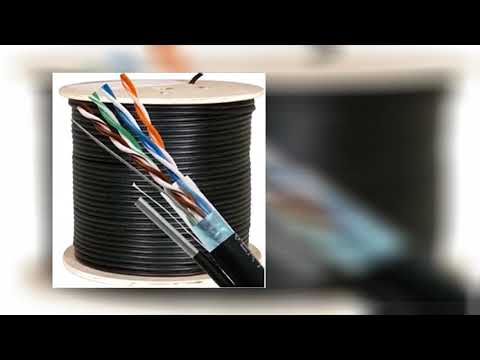
This cable’s got a messenger wire too! Kind of like its own little buddy keeping things steady in the wind. Seriously handy if you’ll be hanging it up high.
Curious about what else it can do? Stick around, my friend! This is gonna be fun!
Cat6 with Messenger Cable Explanation
Understanding the Cat6 with Messenger Cable can be a bit of a mouthful if you’re not familiar with networking, but don’t worry, we’re going to break it down nice and easy.
What is Cat6 Cable?
A Cat6 cable isn’t just any old cable. It’s like the highways of network communication where data zips along at super-high speeds. Basically, it’s perfect for handling heavy loads of data, you know? It can handle up to 10Gbps over shorter distances—like the length of a basketball court maybe!
Why Add a Messenger?
You might wonder why someone would throw in this “messenger” thing with the cable. Well, here’s where things get practical. A messenger wire is added as a kind of helper (often steel) that supports the whole cabling system when hanging it outdoors. Picture needing to string up these cables between poles or buildings without them sagging over time; that’s when this messenger does its job.
Now let’s get into some nuts and bolts:
- Durability: Outdoor conditions demand strong resistance against elements like rain, sun, or even birds trying to land on it!
- Tension Support: Imagine stringing lights around your patio; you want those cords taut—not droopy—right? Similarly here, keeping cables firm ensures reliable connectivity.
Outdoor Suitability:
What makes this combination super handy is how well it’s suited for outdoor use. The protective jacket fights off pesky UV rays and extreme weather conditions that may affect usual indoor cabling negatively.
Here’s an analogy: think about wearing sunglasses and sunscreen when going outside—you wouldn’t step out without them! In much the same way, outdoor-rated Cat6 cables are shielded properly too!
A personal note here—I once had issues setting up Wi-Fi on our deck because the regular indoor model wasn’t holding up against good ol’ Mother Nature’s tantrums! Changing over made everything smoother than buttered toast—so yeah…
In essence: using such configurations means network operations stay efficient under tougher environments while lasting longer due not only from sound materials but also smart designs accommodating installation needs effortlessly.
Are there alternatives worth considering? Sure thing—but typically cost-effectiveness coupled with availability bring folks back again towards trusty ol’ boys like these setups more often than not…
Aerial Cat6 Cable with Messenger Distinctive Features
Sure thing! Let’s get into the nitty-gritty of Aerial Cat6 Cable with Messenger and what makes it stand out from your regular cables.
First off, **Aerial Cat6 Cable** is not your everyday cable. It’s specifically engineered to work outside, suspended in the air between poles. If you imagine the internet flowing through buildings like water in pipes, these cables are like those big pipes that carry water across open space.
- Messenger Wire: The “messenger” here isn’t delivering messages; it’s a sturdy steel wire that gives support and stability. Think of it as the backbone for the cable, ensuring it doesn’t sag or break under its own weight.
- Durable Insulation: These cables are wrapped with a tough jacket that’s UV-resistant and waterproof. You know how things left outdoors can get worn out pretty fast? This outer layer does its best to prevent weather damage, making them perfect for outdoor use.
- High-Performance Data Transmission: When you need quick and reliable data transfer over longer distances, Cat6 cable is a solid choice. It supports high-speed network applications up to 10GBASE-T Ethernet at reduced distances (up to about 55 meters).
Imagine this: You’ve got a long driveway leading up to your house and you want internet access all the way from one end to another without losing quality or drilling underground. That’s where an aerial setup can seriously save the day!
Speaking of reliability—for outdoor environments where conditions can be harsh—this type of cabling remains functional by using **tough materials** designed for longevity.
- Saves Installation Costs: Having that messenger wire means you don’t need additional support structures when setting up between poles or similar anchors.
- No Interference Worries:** Since it’s UTP (Unshielded Twisted Pair), it cleverly twists wires inside reducing electrical interference while carrying signals properly—all thanks without needing extra shielding layers!
So next time someone asks if there’s something special ’bout aerial messengers running networks outside remember they’ve got thoughtful design elements making them strong yet efficient even when battling against Mother Nature herself!
Cat6 Aerial Cable Installation Procedure
Installing a Cat6 aerial cable might sound like a challenging task, but once you understand the basics, it becomes more manageable. You know, getting your network up with these cables can offer some sweet benefits. Imagine being at home and having a swift connection that just *doesn’t quit*. Let’s dive into how you can set one up without breaking too much of a sweat.
Understanding the Components: You’ll be working with a specific type called Cat 6 Outdoor UTP Cable with Messenger. The “messenger” part is actually a support wire, often made of steel. It keeps your cable from drooping when it’s strung across distances.
- Messenger Wire: This is what supports your cable when you’re running it overhead.
- Cat 6 Cable: Offers high-speed data transmission and is suitable for both residential and business applications.
Preparation Steps: Before launching into installation, gather everything you need. It’s like planning out your ingredients before cooking; makes things smoother!
- Tools Required: Wire cutters, safety equipment (like gloves), ladders or safety harnesses if climbing is needed.
- Cable Length Measurement: Determine how much cable you will need by measuring the distance between the two endpoints where you’ll install your cable.
Once you’ve gathered these, you’re ready to jump into the actual installation! But remember: always prioritize safety—don’t skip on wearing those gloves!
The Installation Procedure:
- Mounding Points Identification: Find durable spots to secure the messenger wire on each end of your route. Think sturdy structures that will hold well over time.
- Cable Unrolling: Carefully unroll your Cat6 cable along its intended path while ensuring it doesn’t twist or tangle.
- Suspend With Messenger: Attach the messenger wire to mounting points using hooks or brackets. Securely fix this first since it’ll support everything else!
- Cable Attachment: Fasten the network cables to this support messenger at regular intervals using zip ties or clamps; not very tight though! They need space to flex slightly with temperature changes.
- Sag Considerations: The middle should have some sag — not taut — allowing for any expansion during weather shifts!
- Tension Check :This step involves verifying all attachments are tight enough without cutting into components themselves but still holding firm under pressure conditions experience naturally outdoor installations face daily basis !
-
Your future self will thank when cruising through seamless web activities no hassle whatsoever due diligence taken upon initially laying groundwork structure today successfully laid beforehand achieving optimal results don’t just happen spontaneously expect excellent returns meaningful investments especially concerning property value work completed properly expertly matter factually speaking common sense approach critical respectively .
Oh, talking about outdoor networking cables reminds me of the time I helped my uncle set up a network for his sprawling garden. Now, he loves working outside, and he wanted internet access at every corner of his backyard. You see, when you’re dealing with long stretches outdoors, you start looking into things like Cat 6 Outdoor UTP cables. It’s one of those technical terms that sound all fancy but are really practical.
Imagine this cable as a kind of superhighway for your internet data. The Cat 6 version is like having an express lane with fewer disruptions and more reliable speeds. It’s specially suited for connecting devices over long distances without losing performance. But here’s where it gets interesting—if you plan to run it outdoors, you might need one with a messenger wire.
What’s that messenger thingy? Well, think about hanging clothes on a line; the messenger wire acts kind of like the line itself, offering extra support to keep the cable from sagging or snapping under its own weight or if critters decide to have some fun with it!
When my uncle first explained what he needed, I thought this task was going to be simple. But we quickly realized there’s quite a bit to learn about these cables! For starters, they’re designed to endure various outdoor conditions. We’re talking sun, rain—even snow if you’re in certain places! That’s pretty reassuring when you want something that’ll last without constant maintenance.
And remember how smartly crafted these things are—they shield network signals from interference from those pesky electronic gadgets or even neighboring networks vying for attention. Pretty neat! My uncle and I spent an entire weekend pulling this project together but seeing him stream his favorite gardening shows while pottering about outside made all that work worthwhile.
So next time you’re considering an outdoor setup needing wired connectivity over longer distances and exposed environments—this type of cabling may very well become your new best friend in your tech toolkit!