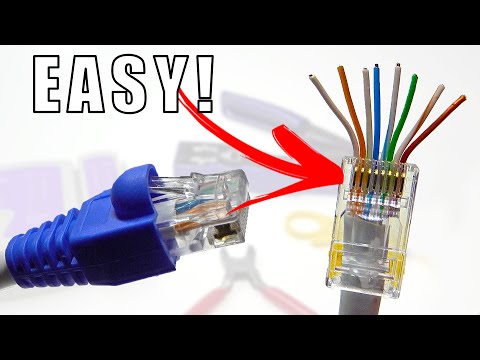
You know how sometimes your internet just seems to crawl? It’s like, come on, work with me here! Well, friends, let’s chat about UTP Cat 6 cables and how they can turn that snail-pace connection into lightning-fast speeds.
Imagine this: you’re in the middle of a thrilling movie marathon or an intense online game—bam! Buffering hits right when things get good. Annoying, right?
That’s where UTP Cat 6 cables strut in like unsung heroes. They promise smoother video calls and seamless streaming nights.
I remember being frustrated too. Then I plugged in a Cat 6 cable, and oh boy—it was as if my internet put on its Sunday best!
Stick around, and soon you’ll see why these trusty blue wires are worth every penny. Ready for some fun tech talk?
Cat6 Network Cable Applications
Alright, let’s dive into the world of Cat6 network cables, shall we? These little guys are essential for making sure our internet connections are fast and reliable. So what exactly do they do?
Cat6 Network Cable Basics
A Cat6 cable is like your highway for digital information. It carries data between your devices and the internet with impressive speed. Seriously, it can handle up to 10 Gbps over a distance of 55 meters! If you’re streaming movies or playing games online, having a fast connection is crucial—a bit like having no traffic on your drive home.
Where You’ll Find Cat6 Cables
- Homes and Offices: Most modern homes use these cables for high-speed internet connections. It’s like turning on the tap and having water flow freely without any hiccups.
- Data Centers: These hubs need to handle lots of information quickly. Cat6 cables help keep everything running smoothly, just like a well-oiled machine.
- Sensitive Areas: With their twisted pair design reducing interference, they’re great in places where signals could get crossed—picture it as two people whispering secrets without being overheard by others around them.
A Few Technical Tidbits
Cat6 cables are made up of four twisted pairs of copper wires. Imagine each pair as two best friends winding around each other to keep out distractions or interferences from outside. This twist also helps prevent something called “crosstalk” which can muddy up signal quality.
They also come with different jackets for different environments; for example, some have extra shielding if they’re going through really noisy areas with lotsa electrical interference!
The Bottom Line?
If you’re setting up a network at home or at work (or troubleshooting why the Wi-Fi seems to be slower than molasses), make sure you’ve got good quality cables doing their job behind-the-scenes! Whether you’re gaming online or just surfing social media while sipping coffee—these cables are working hard so you don’t have to worry about losing connection.
And there ya have it folks! That’s Cat6 network cables in a nutshell—doing all kinds’ things quietly yet efficiently every day ensuring those smooth speedy connections we love utilisent today!
CAT 6 Cable Specifications and Features
Hey, let’s chat a bit about CAT 6 cables, those little marvels that make sure our internet is zipping along smoothly. You know, when you want to stream your favorite shows or have a video call without glitches? That’s where these cables do their magic.
So, what’s the big deal with CAT 6 cables? Well, they belong to a group called Ethernet cables and are mostly used for wired networks. These are pretty reliable and let your devices communicate quickly and efficiently.
Here are some key specifications and features of the CAT 6 cable:
- Speed: CAT 6 supports data transfer speeds up to 1 Gbps (Gigabit per second). Fast enough for you?
- Bandwidth: It offers up to 250 MHz bandwidth. Think of it as more lanes on a highway allowing cars (data) to travel faster.
- Cable Structure: Made as UTP (Unshielded Twisted Pair), meaning it has pairs of twisted wires inside which help reduce interference. Pretty cool!
- Cable Length: You can run these cables up to around 100 meters with full performance. Beyond that, it’s like stretching a rubber band too far; it starts losing its snap!
- Backwards Compatibility: Guess what? These work with older versions like Cat5 or Cat5e without any fuss.
In practical usage, say you’re setting up your home network or even something more complex at an office; Picking the right cable matters because it affects how smoothly everything runs together. If you’ve had moments where internet speed felt sluggish – maybe during an epic gaming session – choosing the proper sort of Ethernet cable can make quite differences!
A funny thing happened recently: My friend was convinced his Wi-Fi was acting weird due entirely missing out checking those sneaky cords behind furniture! Turned out he had cats playing tug-of-war occasionally under desks causing mischief… Relatable yet amusing story reminding why wiring deserves attention sometimes!
Hope this helped shed some light on all things regarding Cat-6 cabling while keeping charm alive throughout learnings shared together today… Cheers!.
Cat 6 Cable Compatibility with CCTV
Hey, let’s chat a bit about using Cat 6 cables with your CCTV system. It’s something you might find yourself wondering about if you’re setting up surveillance at home or in the office. Well, it’s pretty straightforward, I promise.
To start, Cat 6 cables are commonly used in network setups. They’re pretty popular for internet and data since they can handle a lot of information quickly. That means they’re perfect for transmitting video signals too! So if you’re thinking of connecting your CCTV cameras with them, guess what? You’re on the right track!
- High-Speed Data Transmission: Cat 6 cables can support up to 10 Gbps over short distances (like up to 55 meters). That’s way more than you’d typically need for CCTV systems.
- Better Signal Quality: These cables have better shielding compared to older categories. This reduces interference which means clearer images from your cameras.
- Future-Proofing: If down the road you decide to upgrade your cameras or add smart features, a Cat 6 cable will likely still do the job just fine without needing replacement.
- Powers with PoE (Power over Ethernet): With proper setup and equipment, Cat 6 can power your devices through the same cable that transmits data—saves you some hassle dealing with extra wires!
Now here’s something neat: While setting up a friend’s new security system last year—I remember how thrilled he was with this combo—the clarity was unbelievable! The thing is though, when using longer runs of cable (over a hundred meters), performance might drop slightly. But usually home installations stay comfortably within this range.
While we’re on this digital adventure together let me bring another important point into focus: Make sure you’ve got proper connectors and terminators designed specifically for Ethernet connections.
If all else fails don’t hesitate reaching out to someone who specializes in this stuff—they’ll know exactly what subtle differences matter depending upon specific setups involve so forth!
So yeah there we go; hopefully now everything seems less intimidating at least somewhat?
Understanding UTP Cat 6 network cable connectivity? Oh, let me tell you, it’s a topic that hits close to home. I remember the day we decided to upgrade our home network because our internet was crawling like a turtle. You know how frustrating it can be waiting for a simple page to load when all you want is to relax and stream your favorite show after a long day.
So, there we were, diving into the realm of UTP Cat 6 cables. It’s something that sounds super technical but isn’t as scary once you break it down. These cables are four twisted pairs snuggled together in one neat unit. The twist is not just for fun; it’s there to reduce interference from other electrical devices and keep your connection smooth.
Unlike its predecessors, Cat 6 can carry data at lightning speeds—up to 10 gigabits per second over short distances! It’s like giving your old bicycle an engine and turning it into a motorbike. If you’ve ever wondered why some videos buffer endlessly while others play seamlessly, chances are the type of cable might have something to do with it.
And oh boy, I realize now how much of an upgrade it was in the real sense! Watching movies without buffering became standard. Not only that but having multiple devices connected felt less like trying to squeeze through a narrow doorway with friends all at once.
What’s cool about these cables? They’re pretty robust too! I had this moment of panic when my dog decided that chewing on wires was his new hobby—but luckily these held up quite well (though I wouldn’t recommend letting Fido have free rein).
Anyway, if you’re thinking about boosting your network speed or just need reliable connectivity throughout different rooms in your house or office—giving Cat 6 cables a shot might just be the thing you need! They offer stable connections over longer distances compared with older versions like Cat 5e.
It’s fascinating how little tweaks and upgrades here and there can change daily experiences significantly—from being technology obstacles into seamless operations where everything flows effortlessly together: Kind of therapeutic even… Just probably steer clear from teething puppies while setting things up!