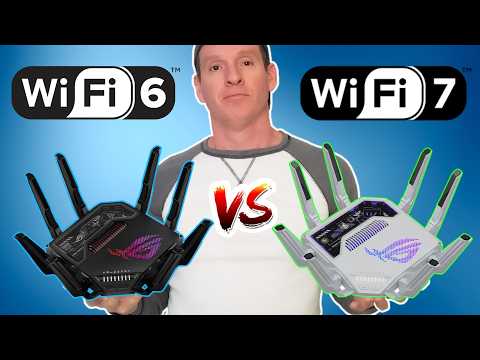
Oh, the wonders of Wi-Fi! Have you heard of this fresh new thing called Wi-Fi 6GHz? It’s like giving your internet a modern upgrade, and it’s all about more speed, less congestion, and improved connections. Imagine being at a crowded concert where everyone’s trying to talk at once—kind of chaotic, right? Well, this new frequency is like giving everyone their space to chat without interruptions. I’ll share a bit more about how it works and why it’s such a game-changer for our ever-connected lives. Grab your favorite drink, sit back and let’s dive into the world of speedy internet!
Will a Wi-Fi 6 router work with older devices
Have you ever been tangled up in the exciting world of Wi-Fi technology and felt a little overwhelmed? You’re not alone! With all these numbers and letters flying around, it can get pretty confusing. So let’s see if we can make some sense out of it.
Imagine this: you’re sitting with your trusty old laptop, which you’ve had for years, right? And now you’re wondering if it’s still going to work if you upgrade to one of those fancy new Wi-Fi 6 routers. This is sort of like trying to figure out if your well-loved cassette player can handle a brand-new playlist from your smartphone. The cool thing is that our tech world usually keeps backward compatibility in mind. What does that mean? Well, if you’ve got an older device, chances are it’ll still connect just fine to a Wi-Fi 6 router.
Wi-Fi 6 routers have been designed with backward compatibility built in. It’s like how when Blu-Ray players came out, they could still play DVDs; they didn’t leave us hanging! But here’s the twist: when those older devices connect to a Wi-Fi 6 router, they won’t pick up all the shiny new features this technology offers—like superfast speeds or better efficiency—because they’re just not built for it.
Now let’s sprinkle in some spice by bringing the 6 GHz band into play. Known as Wi-Fi 6E, this creates even more room on the airwaves for devices to connect without bumping into each other like folks at a packed concert. However—and here’s the kicker—even though Wi-Fi 6E offers an additional band (the aforementioned fancy 6 GHz one), older gadgets won’t recognize or work on that particular frequency. They’ll stick with what they know: the familiar old bands (2.4 GHz and 5 GHz).
So there ya go! Upgrading might give you some amazing new capabilities with other newer devices that do support these advances—but those reliable old ones will still be able to chug along too.
Can a device be too old to connect to WiFi
You know, it’s not uncommon to run into situations where an older device just can’t keep up with the latest WiFi technology, like the shiny new WiFi 6GHz. It’s like trying to put a cassette tape in a CD player—sometimes, it’s just not gonna fit. The thing is, devices that were made before this new WiFi band was introduced simply weren’t designed with it in mind.
Let me tell you a little story—my friend had this ancient laptop from the early 2000s. She tried connecting it to her brand-new WiFi 6 router and was getting pretty frustrated when nothing happened. Turns out, her laptop’s wireless card just didn’t support the newer standards because it’s a bit outdated for all these high-speed modern networks.
The reason older gadgets might not connect is that they don’t have the hardware or software support required for those frequencies or advanced features that come with WiFi 6E (that’s what they call the 6GHz version). You see? These older devices would need an upgrade to work on these frequencies. And sometimes upgrading isn’t possible or even worth it.
If you’re in this situation and really want your old device online with newer tech, you might consider using a dual-band router (which supports both old and new frequencies) or perhaps look into compatible network adapters. It keeps everything together—a bit like having both cassette and CD players in your home audio setup!
Is WiFi 6 backwards compatible with WiFi 4
Oh, WiFi! It’s that thing we all use every day without really thinking about it, right? So here’s something interesting about WiFi 6 and its compatibility. You might be wondering if it’s backwards compatible with the older WiFi 4, especially when it comes to the new 6 GHz band that’s been buzzing in the tech world.
Now, picture this: You know how when a new gadget comes out, you’re worried if it’ll still play nice with your older stuff? Well, WiFi is sorta like that. WiFi 6 is indeed backwards compatible with previous versions like WiFi 4 and even WiFi 5. That means your old devices won’t suddenly become useless paperweights just because there’s a fancy new version.
But here’s where the new kid on the block—the 6 GHz band—comes in. This shiny, new frequency band was introduced to offer less congestion and faster speeds. Thing is though, only devices designed for this range can use it. Most of our current gadgets are cozy operating on either the 2.4 GHz or 5 GHz bands.
So you might still connect your older devices using those conventional bands under a Wi-Fi 6 setup; they just can’t jump onto that zippy 6 GHz network—kind of like wanting to ski but only having skateboarding gear! But hey that doesn’t mean you’ll miss out totally—the experiences are definitely enhanced from where they were before across those other supported frequencies thanks in part through improved management capabilities provided by newer infrastructure offered within these routers/access points themselves—which feels kinda cool actually if one thinks commonly feeling collaborative overtime together particularly noticing decreased drop rates during high density scenarios often encountered within residential environments today amidst growing digital demands among households alike!
Alright, so we’ve been through a bit of a tech journey, right? We’ve explored how the 6GHz frequency can potentially supercharge your Wi-Fi experience. Imagine, no more lag during those crucial moments in online games or that favorite Netflix show buffering just when it gets good! It’s sort of like moving from a congested highway to an open road—your data zips along much faster.
The whole point is about improving connectivity and giving you a seamless experience. If you ever find yourself struggling with internet speed or crazy interference at home or work, remember this little nugget. And hey, all these advances are leading us to a more connected future.
Take your time exploring and see if this new tech could be the upgrade you’ve unknowingly waiting for!