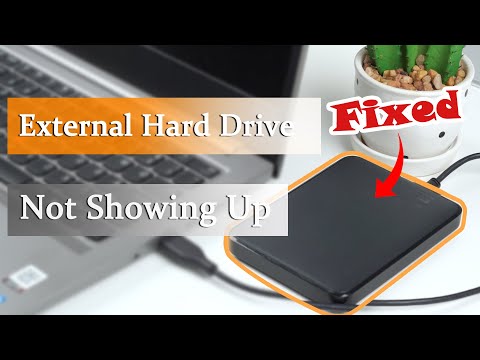
You know that moment you get a shiny new toy and you can’t wait to play with it? That’s how it feels when you get your hands on a Toshiba N300 2TB drive. You’re ready to fill it up with all your treasured stuff, but hold on—Windows doesn’t even acknowledge its existence. Seriously, what’s up with that?
It’s almost like trying to start your car and there’s just… silence. Frustrating, right? Anyway, don’t start pulling your hair out just yet. This isn’t the end of the road for your drive.
There’s often a simple solution tucked away somewhere in the labyrinth of settings or compatibility quirks. It’s like a treasure hunt, but instead of treasure, you’re hunting for answers—answers that’ll get Windows to finally recognize that awesome Toshiba drive sitting in front of you.
You ready to dive into this problem together?
External Hard Drive Detection Issues
Oh no! Your Toshiba N300 2TB external hard drive is acting up, and Windows isn’t recognizing it? That’s such a bummer. But hey, don’t worry. Let’s try to get that sorted out for you right here.
First things first—let’s cover the basics. Sometimes, the simplest solutions are the most effective!
Check Connections: Make sure that all cables are securely plugged in. It’s easy to think everything’s connected when actually a cable might’ve gotten loose—you know what I mean?
If that’s not the issue, let’s look deeper:
- Drivers Matter: Outdated or missing drivers can cause detection problems. Head over to Device Manager in Windows and find your hard drive under “Disk drives.” Right-click and select “Update driver.” This can sometimes do wonders!
- Assign a Drive Letter: Your computer might recognize your hard drive but not show it because there’s no drive letter assigned. Open Disk Management by typing “diskmgmt.msc” into the run dialog (press Windows + R). Right-click on your Toshiba N300 and select “Change Drive Letter and Paths,” then add a letter.
- Check for Partition Issues: Sometimes, partitions can be sneaky troublemakers. In Disk Management again, see if there’s unallocated space where your N300 should be fully allocated. You might need to create or format partitions if it’s showing differently.
- Look Into Potential Conflicts: Occasionally, software like antivirus programs might block your hard drive from being recognized (weird, right?). Try disabling them temporarily to see if anything changes.
Testing on Another Device: If after all this it’s still uncooperative, plugging it into another computer helps verify whether it’s a problem with the hard drive itself or your current system’s settings.
Now here’s something important—backing up data! If there’s any sign of life in that trusty old Toshiba before it decided not to be recognized anymore, make sure you have backups elsewhere… just in case.
And remember – you’re dealing with electronics here; they have minds of their own! Sometimes they just need some coaxing back into cooperating properly—with patient care every step along their journey homeward bound toward our screens shining bright once Again !
Oh yeah — hope this was helpful getting an idea finding ways tackle those pesky detection issues without hours trial error testing various fix methods until one finally clicks magically resolving everything neatly tied tidy bow atop storage heaven sending good vibes successful resolution ahead!
Connectivity Issues with Toshiba External Hard Drive
Sure thing! Let’s discuss those pesky connectivity issues with your Toshiba External Hard Drive, specifically if it’s the N300 2TB not being recognized by Windows. Frustrating, right? You plug it in, expecting to see all your files, but nothing shows up. Here’s a warm cup of tech advice on what might be going wrong and how you can fix it.
First up, check if the connections are secure. I know it sounds basic, but sometimes the cable isn’t fully plugged in or could be damaged. It happens more often than you’d think. Grab another USB cable if you can to see if that might solve things.
- Power Source: Make sure your drive is getting enough power. If it has a separate power adapter, double-check it’s plugged into a working outlet.
- USB Port: Test different ports on your computer. Sometimes a port just stops wanting to work for some reason!
Now let’s say everything’s good connection-wise—what next? Check out Disk Management on Windows!
- Access Disk Management: Press Win + X and choose ‘Disk Management’. Take a look; does your drive appear here?
- Rescan Disks: If not visible at first glance, use the ‘Action’ menu to select ‘Rescan Disks’. Sometimes that refreshes things.
- Create/Change Drive Letter: If listed without a letter, right-click and either add or change its drive letter!
If it’s still causing grief after all that detective work—let’s talk drivers.
Troubleshoot Drivers: Outdated or missing drivers could be the culprit.
- Device Manager: Hit Win + X and select ‘Device Manager’. Find any yellow warning icons under ‘Disk Drives’?
- Update Drivers: Right-click on the hard drive listing there and try updating its driver software.
Finally—and no one wants this—but sometimes data corruption is hiding out as well. Backup tools like TestDisk or EaseUS are useful then… Not making an ad here! Just mentioning because they could really help in rescuing files when normality won’t return.
Look! I’ve been there: gadgets acting up always seem frustratingly random (and inconvenient).
Troubleshooting Toshiba SSD Recognition Issues
Hey there! So, you’re having trouble with your Toshiba N300 SSD not being recognized by Windows? That’s definitely frustrating, especially when all you want is for things to just work smoothly. Let’s try and walk through some steps together—you know, like a friend who’s a bit better with computers.
First off, have you double-checked the basics? It’s easy to overlook these little things:
- Connection: Make sure you’ve securely connected your SSD. Kind of like ensuring a plug is fully in the socket.
- Cables: Sometimes cables can be sneaky. Swap them out if you’ve got spares lying around.
If those aren’t the culprits, let’s get a bit more technical.
Usually, when Windows doesn’t see an SSD, it might need some nudge (like after a hearty nap). Here’s what you can do:
- Disk Management: Right-click on ‘This PC’ or ‘My Computer’, pick ‘Manage’, then head over to ‘Disk Management’. Do you spot your SSD there? If yes, maybe it just needs formatting or assigning a drive letter.
- Hardware Wizardry: In that same menu window from earlier (‘Manage’), there’s something called “Device Manager.” Dive into ‘Disk drives’. See anything weird with yellow marks next to it?
- Bios Check: When starting up the computer (before Windows even gets going), tap that specific key (often F2 or Delete) to enter BIOS. Is your drive visible in BIOS? If not, perhaps it’s more about connections.
And don’t forget software! Weirdly enough drivers sometimes throw tantrums too. You could check out Toshiba’s site for driver updates if needed.
Finally here’s an anecdote—I once helped my cousin who had his SSD disappear right before he was set to binge-watch his favorite series. In his case turning the computer off and reconnecting everything did wonders!
Anyway keep calm and troubleshoot on!
You know, I’ve been there before. There you are, super excited because you’ve just got a brand new Toshiba N300 2TB hard drive, ready to expand your storage and organize all those countless files you have scattered everywhere. And then… Windows decides to play hide-and-seek with it! It’s like when you have a key in your pocket but somehow can’t find it—frustrating and baffling at the same time.
So, when your trusty Windows machine doesn’t recognize that shiny new hard drive, it’s easy to feel like banging your head against the wall! But I’ve learned that computers are kind of like pets—they sometimes just need a bit more understanding and care.
First things first—have you checked all those connections? You’d be surprised how often a cable that’s not pushed in all the way can mess things up. Check both ends—at the motherboard and on the drive side. I once thought I had fried my brand-new drive only to discover it was a loose cable. Talk about relief!
And what about Disk Management? It’s this handy little tool in Windows—a bit hidden but oh so useful. Sometimes drives need a quick initiation or formatting through there before they’re visible anywhere else on your system.
If all else fails—and believe me, sometimes it feels like you’ve tried everything—a BIOS update might do the trick. It’s like giving your computer’s brain an upgrade so it knows how to handle new tech toys better.
Anyway, hang in there! Dealing with computer hiccups is never fun but solving them can feel pretty darn satisfying too. Plus, who doesn’t love that moment when everything suddenly clicks and starts working perfectly?