You know how it is, you’re trying to run an application on your Windows PC, and then bam! It asks for the .NET Framework 2.0 x64. It’s like someone asking for a secret ingredient in a recipe, right? Well, this framework is basically a collection of all those libraries and code bits that help applications run smoothly on your system. Think of it as the behind-the-scenes hero for many Windows programs. And hey, it’s been around since 2005 – practically ancient in tech years! Curious about why it’s still hanging around or how to get it? Stick around and we’ll chat about that just now.
Resolving net framework 2.0 x64 installation errors windows 10
Ah, the infamous .NET Framework 2.0 installation errors on Windows 10! You’re not alone grappling with this. Let’s chat about what might help you fix it.
Imagine you’re ready to enjoy a movie, but the projector’s light doesn’t work. That’s a bit like trying to run applications needing .NET Framework 2.0 on Windows 10. The thing is, it needs a little nudge sometimes.
- Compatibility Mode: First up, try running the installer in compatibility mode for an older version of Windows like XP or Vista. Right-click on the setup file, hit “Properties,” and under “Compatibility,” choose an earlier OS.
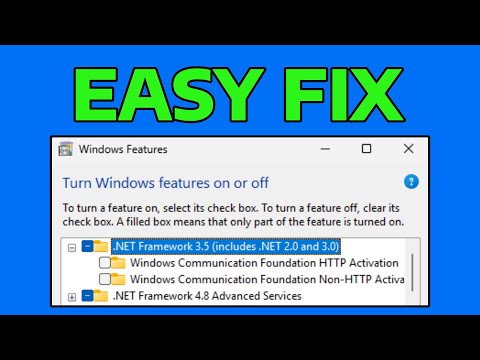
- Windows Features: Did you know Windows has hidden features? Go to “Control Panel,” then “Programs and Features.” Click “Turn Windows features on or off,” and you’ll see options for different versions of .NET Framework!
- SFC Scan: Sometimes files go wonky—an SFC (System File Checker) scan can do wonders! Open Command Prompt as admin by typing “cmd” in search, right-clicking and choosing “Run as administrator.” Then type
sfc /scannow. This checks system files for issues. - Get Updates: Updates are key! Double-check your Windows updates and install any pending ones because they often include fixes.
If these steps don’t quite cut it, think about reaching out to Microsoft Support Forums—they can have insider tips from folks who’ve tackled similar headaches!
Navigating technology’s labyrinth isn’t always straightforward—but hey—it makes those problem-solving victories even sweeter once you’ve cracked them!
Resolving net framework 2.0 x64 installation errors windows
Ah, those pesky .NET Framework installation errors! They can really drive you up the wall, can’t they? When you’re trying to install .NET Framework 2.0 x64 on Windows and things just don’t go as planned, it can be quite a headache.
Let’s imagine. You’re installing this older version of .NET Framework because an old app needs it. You run the installer, and bam! Error messages pop up. So frustrating! But fear not; there’s usually a way around it.
First off, you want to make sure that your Windows version supports that particular framework. Now, if you’re using something like Windows 10, it doesn’t include direct support for these older frameworks natively but relies on a compatibility feature called “Windows Features.” You might need to go into Control Panel under “Programs” and enable them manually by checking “.NET Framework 3.5 (includes .NET 2.0 and 3.0)”. Talk about packs of features!
If you see communication or setup errors during your installation attempt, consider running a system file check via Command Prompt with the command: sfc /scannow. This checks for any corrupted files in your system that might interfere with installations.
You’d be surprised how often some remnants from previous software installations clutter things up—try cleaning up temporary files using Disk Cleanup tool before re-installing again!
The thing is double-checking space availability too! Old systems might get crammed without us noticing which affects new programs lurking in disarray only showing quasi-mysterious error codes at least expected moments.
Think all looks said done yet still feel stuck around same corner? Community forums could lend some guidance while ensuring Microsoft’s official docs offer tips covering troubleshooting such odd events!
Hope this helps smooth out those bumps ’cause who wants tech hiccups standing between us great experiences anyway
Resolving net framework 2.0 x64 installation errors windows 7
Ah, dealing with .NET Framework issues on Windows 7, huh? It’s like trying to solve a puzzle sometimes, isn’t it? I remember the time I wrestled with this on my old PC. It felt like a stubborn lock refusing to open! Anyway, if you’re running into installation errors with .NET Framework 2.0 x64 on Windows 7, don’t worry—you’re definitely not alone in this.
First things first: make sure your Windows 7 is fully updated. You know how those updates sneak in fixes and patches that can resolve pesky problems? Yeah, it’s worth a shot. Go to the Control Panel and run Windows Update to see if anything’s waiting for installation.
If updating doesn’t sort it out, you might want to check if it’s already installed but just acting up. Peek into your “Programs and Features” through the Control Panel—it’s kind of like checking the fridge just one more time before heading out for groceries. Look for “Microsoft .NET Framework” under installed programs.
Now, if all else fails, there’s always the unlikely hero: Microsoft’s .NET Framework Cleanup Tool. It basically helps clear out any messy remnants of previous installations that might be clogging things up; it’s like calling in a cleaning crew for your computer’s software closet.
After running the cleanup tool (a quick search should lead you right there), give another attempt at installing .NET Framework 2.0 x64 from scratch. Fingers crossed! This neat trick resolved it once for me when I was at my wit’s end trying to get an old game working.
Sometimes persistence pays off—and don’t we all know that feeling when finally tech plays nice again?
Alright, we’ve reached the end of our chat on .NET Framework 2.0 x64. It’s one of those tools that might not sound all glitzy at first, but it’s like that unsung hero working behind the curtain to make everything run smoothly on older Windows systems. It’s kind of like knowing your car engine—maybe not super exciting, but pretty necessary.
When you’re dealing with older software or systems tied to this framework, understanding a bit about how it works can save you loads of headaches. Trust me, been there, done that! Keeping compatibility in mind and maybe even planning an update path can make your life simpler down the road.
So yeah, next time you’re wrestling with some legacy apps or looking at updates, keep an eye out for what .NET needs. It could be the key to getting things ticking without unnecessary stress. Remember: technology helps us every day; sometimes even when we don’t see it working its magic!