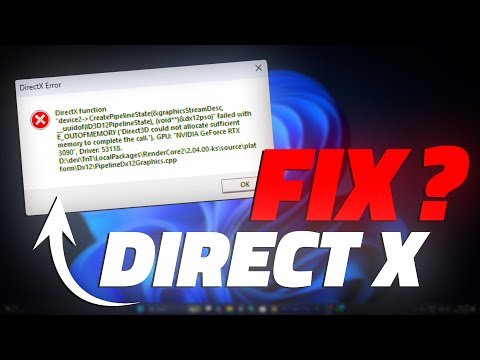
You won’t believe what’s been happening with the latest DirectX version, huh? It’s like, every time there’s a new update, something goes haywire. Seriously! This time around, it’s PC compatibility giving folks serious headaches. You know how it is; you think you’re about to dive into your favorite game or app, and bam! Something just doesn’t click.
Oh man, I remember this one time when my graphics card decided to go on strike right after an update. Thought I’d be in for a smooth sailing session. Nope! Had to roll back and tinker around for hours instead of gaming.
Anyway, if your rig’s been throwing tantrums since the last DirectX update, you’re definitely not alone. It’s been wild out there—let’s dig into what’s causing all this ruckus and see if we can make some sense of it together.
Verifying DirectX Corruption
Whoa, DirectX issues can be a real pain in the neck. But don’t worry, let’s untangle this mess together. First off, DirectX is like that backstage hero making sure your PC runs all those cool graphics and sounds when you’re gaming or working with media. When it acts up, well, things can go haywire.
Checking for Corruption: This might sound technical, but think of it like a detective searching for clues. Here’s what you should do:
- Check Error Messages: If there are strange messages popping up or games crashing unexpectedly, it could be a clue. Don’t ignore them; they often tell you what might be wrong.
- Run the DirectX Diagnostic Tool: Super handy tool! Press Windows + R, type “dxdiag”, and hit Enter. This tool will scan your system and display if any component of DirectX is corrupted or misaligned.
Latest DirectX Version Woes: Sometimes the newest isn’t always the greatest! If you’ve noticed issues right after an update, let’s say your game was running fine before and suddenly it’s not – that’s suspicious.
- Dated Graphics Drivers: Double-check if your graphics drivers are up-to-date because new versions of DirectX often require the latest drivers to function properly.
- Your System Isn’t Playing Nice: Compatibility matrices… boring but essential! Make sure your operating system supports this new version of DirectX.
Troubleshooting Further:
- SFC Scan Time!: Not as scary as it sounds; just type “sfc /scannow” in Command Prompt (admin mode). It scans for corrupted files and repairs them automatically.
- You Can Reinstall DirectX:: Oh yeah! You can reinstall from Microsoft’s official site—this often patches things right up.
Maybe you’re feeling overwhelmed? That’s understandable; tech stuff can feel like trying to understand a foreign language sometimes! Take it step by step.
And hey, I’ve been there too—a few years ago my PC just decided to act like a moody teenager after a DirectX update. I had no idea where to start fixing things—until I realized diagnosing small components one at time helped rebuild everything back.
So keep calm—you got this!
DirectX Version Compatibility Issues with Windows 11
Having trouble with DirectX and Windows 11? Listen, you’re not alone. It can be a real head-scratcher trying to get these two to play nice. Let’s dig in.
You see, DirectX is like the secret sauce for your games and fancy graphics stuff on Windows. It’s responsible for making sure everything looks shiny and runs smoothly. But sometimes, when there’s a new version—like what we have now—things can get a bit messy.
Well, here’s the thing: some older games just don’t jive with the newest DirectX version that comes with Windows 11. It’s like trying to fit a square peg in a round hole. Frustrating, right?
Common Issues You Might Face:
- Game Crashes: Ever started up your favorite game only for it to go kaput mid-level? Yeah, that’s one of them.
- Poor Performance: If your game feels more like crawling than running… DirectX could be acting up.
- No Sound or Funky Audio: Sometimes sound just decides to take a day off—that’s another clue DirectX isn’t happy.
Now, “why” you ask? Well, it’s usually because some games were built with older versions of DirectX in mind. And they might struggle when faced with all the newfangled features in the latest update.
But don’t worry! There are ways around this:
1. **Adjust Compatibility Settings:** Right-click on your game or application executable file (the .exe file). Go to ‘Properties,’ then ‘Compatibility.’ Try running it as if you had an older version of Windows.
2. **Update Graphics Drivers:** Keep those drivers fresh! Head over to your GPU manufacturer’s website and grab the latest ones they offer.
3. **Microsoft Updates:** Sometimes just getting all those system updates can do wonders for fixing odd compatibility issues.
4. **Consider Older DirectX Versions:** In rare cases—you know—it might be worth installing an older edition alongside what you’ve got (but keep this option last).
And let’s not forget—always back up stuff before changing settings ta avoid unforeseen mishaps!
Tackling tech issues feels daunting sometimes but stick through it; you’ll get things working again before you even know it! I mean come on—I once spent hours juggling settings until my favorite game decided cooperate… uff—patience paid off though!
You got this!
DirectX Version Compatibility Issues on Windows 10
Alright, let’s get right into the nitty-gritty of DirectX version compatibility on Windows 10. This can be a bit of a headache, especially when you’re trying to get that game running smoothly or fiddling with some graphic-intensive software.
- Understanding DirectX: DirectX is kind of like this translator for your computer’s hardware and software. It helps games and multimedia applications run smoothly by coordinating with your hardware components like graphics cards and sound systems.
- Latest Version Issues: Now, here’s where things can go haywire. Sometimes the latest version of DirectX might not play nice with all PC setups. You might face issues ranging from fuzzy graphics to complete application crashes.
But before panic sets in, take a deep breath! I remember this time when my buddy was all set for his gaming weekend. He’d just updated his system with the new DirectX, and bam! The game wouldn’t start.
Troubleshooting Tips:
- Check Minimum Requirements: First off—double-check if your game or software meets the minimum requirements for both OS and DirectX version. Some older games might freak out if they encounter features from newer DirectX versions they don’t support.
- Update Drivers: Think about getting those graphics card drivers up-to-date because outdated ones can cause hiccups when you least expect them.
- Distro Packs for Older Versions: Sometimes having multiple versions (like DX9, DX10) installed alongside the latest one helps as fallback options for apps needing older features.
Compatibility Mode & Alternatives:
If things still aren’t running smooth as butter:
- Tweak Compatibility Settings.: Right-click on the app, head into properties then compatibility tab — experiment by setting it up like an earlier Windows version that used older direct-x’s (if applicable).
- If nothing seems working out—contact app developers or visit their forums/community groups where users share common fixes—it could be something others have already encountered (and fixed!).
So yeah—that’s pretty much what everyone who’s dealt their share has gone through at some point or another—which isn’t fun—but hey what matters most often than not is how resolve things efficiently rather than being bogged down longer-term!
Oh boy, isn’t it something when a new software update doesn’t play nice with our trusty devices? Lately, there’s been quite a buzz about the latest DirectX version throwing some wrenches into the works for PC users. It’s almost like that time I thought upgrading my phone would solve all its problems, only to find out that it couldn’t handle the new features and started acting up.
You know, DirectX is supposed to bring us smoother graphics and better gaming experiences. But sometimes it feels like these updates are too advanced for certain systems. I swear, it’s like giving a 100-year-old person a hoverboard—they just don’t mesh well together!
For some folks, this has meant their beloved games aren’t running as smoothly as before or even crashing entirely. That’s gotta be frustrating if you’ve been waiting eagerly for improved performance. You get stuck wondering if your hardware needs an upgrade or if you can tweak things back into harmony.
There are always heroes online sharing tips on which settings to adjust or drivers to update, but sorting through all that can be like finding a needle in a haystack. I’ve been there too—spending hours piecing together advice from forums just for one tiny fix.
Hopefully, these compatibility hiccups get sorted soon because who doesn’t want the latest gadgets and software goodies without losing their sanity? Anyway,s till worth keeping an eye out for any patches or workarounds from our friends over at Microsoft until everything gets smoothed out again!