You know, the other day I was chatting with a buddy about all the wacky stuff that happens online. It’s like every other day there’s some new threat trying to sneak into your network. Makes your skin crawl a bit, doesn’t it?
So, get this: we start talking about proxies. At first, my friend thinks I’m talking about those voting things. Yeah right! But seriously, these little digital helpers can be lifesavers in protecting our online hangouts.
Anyway, finding the right proxy—that’s the tricky part. It feels like sifting through an unending sea of options and jargon that only geeks seem to understand. Overwhelming much? But here’s where things get interesting…
Comparing Reliable Proxy Services
Hey, let’s chat about finding a reliable proxy service for network security. Choosing the right one can feel like looking for a needle in a haystack, especially with so many options out there. You know? It’s kind of like trying to pick the best apple from a gigantic tree.
Why use a proxy service? Imagine you’re at the library and want to read something anonymously. A proxy acts like that invisible cloaking device between you and the vast internet, keeping things private and secure. Not only does it hide your IP address, but it also protects sensitive data from prying eyes.
Now, picking out reliable ones… that’s where it gets tricky! Here are some points to ponder:
- Security Features: Look for proxies that offer robust encryption methods. It’s like having strong locks on your front door.
- Speed and Reliability: You don’t want slow browsing because, let’s be honest, waiting is pretty annoying. Check if they provide good speed without interruptions.
- User-friendly Interface: If navigating feels like solving complex algebra problems—ehhh—not ideal! Simplicity matters here.
A few examples? Okay then… consider services with proven track records such as NordVPN or ProxySite. These guys often pop up in conversations due to their excellent balance of security features and user experience.
Also—and this one’s important—always dive into reviews or forums where real folks share experiences about various providers before deciding on any specific service!
Well shared insights really come alive when someone mentions how they’ve been using proxies while streaming shows online yet remain completely anonymous; remember everyone has unique stories connected by technology twists too!
In short…get yourself armed knowledge-wise by sniffing around what others “in-the-know” say performs best based upon common needs among users worldwide today!
Determining Proxy Safety
Determining whether a proxy is safe is kinda like choosing the right umbrella for a storm. You want it reliable and trustworthy, you know? Let’s break down how you can figure this out.
Why Use a Proxy?
First, it’s important to understand why you’re using one in the first place. A proxy acts as a middleman between your computer and the internet. It can help keep your online activities private or allow access to content that’s otherwise blocked in your region.
Safety Checkpoints for Proxies
Think of these checkpoints as steps you’d take before crossing a street.
- Reputation: Always check what people are saying about it online. If many users report issues, maybe steer clear.
- SSL Encryption: Ensure that it provides SSL encryption to protect data from being intercepted.
- No-Logs Policy: The best proxies won’t track or store your browsing history.
Each of these points ensures that you’re not just wandering aimlessly.
Free vs. Paid Proxies
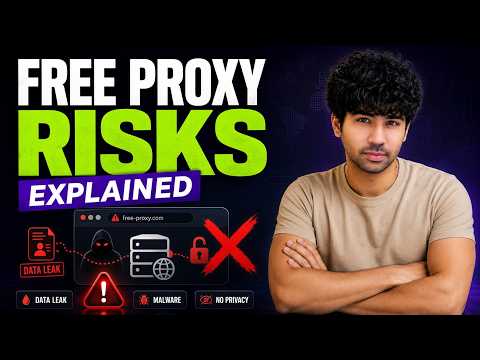
It’s tempting to go for free options, right? But think twice! Free ones often have hidden costs like selling data or displaying ads. With paid proxies, there’s typically more accountability and better performance.
Anecdote Time!
Let me share something real quick! I once tried out this free proxy because hey, it was free! Within days my inbox got flooded with spam emails—you wouldn’t believe it!
Pitfalls To Avoid
When picking one:
- Avoid Unknown Sources: If you’ve never heard of the provider and can’t find info online, be cautious!
- Skeptical Offers: “Unlimited” free access usually sounds too good to be true—and often is.
The more careful you are with these pitfalls,the safer you’ll be.
Your Final Steps
Before making that final decision:
- Troubleshoot network issues with legitimate sources if you face connectivity problems often.
- If concerned about cybersecurity on large networks consider integrated solutions beyond just proxies.
By keeping these tips in mind,you’ll navigate through proxies safely without tumbling into traps!
VPN vs Proxy: Key Differences
Alright, so you’re curious about VPNs and proxies, huh? They’re kinda like security guards for your online adventures but they do have their own styles. Let’s dive into what makes ’em tick.
VPN (Virtual Private Network)
A VPN is like that trusty invisibility cloak you’ve always wanted for your internet activities. When you’re using a VPN:
- Encryption: It scrambles your data into a secret code while transporting it between your device and the internet. This means even if someone does spy on you, they’ve got no chance cracking it.
- Privacy: It hides your real IP address by replacing it with one from the VPN server. So if you’re watching cat videos in Paris, websites might think you’re doing it from New York!
- Access: Sometimes you wanna access content that’s blocked in your region? A VPN helps bypass these barriers by making websites believe you’re in another country.
Here’s a little story: my buddy once used a VPN to watch his favorite show that was available only in another country. He swore by its simplicity and how cool it felt to outsmart those pesky geo-blocks.
Proxy Server
Onto proxies—which are kinda like middlemen for the web:
- A Bit of Anonymity: They mask your IP address but usually don’t encrypt data. If privacy’s crucial, this might not cut it.
- Caching Content: They can store copies of visited web pages, loading them quicker next time.
- Diverse Types: Different types of proxies exist: like HTTP proxies for web requests or SOCKS proxies which are more versatile handling various traffic types—kinda nifty!
Once I set up a proxy simply to get around some local network restrictions at work—you know how offices sometimes block harmless websites? Yeah!
Main Differences
Well here’s where we wrap things up:
- If Privacy Is Key: Choose VPNs. They’re better at providing complete security with robust encryption.
- If Quick Access & Light Browsing: Consider Proxies. Especially if beating local restrictions without heavy lifting suits you best.
Ah! almost forgot—choosing reliable tools matters much here! Make sure whatever service/tool gets picked has good reviews about reliability—not letting any “mysterious” entities peek during use either way!
Anyway hope this clears some fog between these tech pals! Feel free reach out again whenever needed alrighty?
Finding the right proxy for network security can be a bit of a journey, you know? There’s something about sifting through all those options that reminds me of the time I was trying to pick out a lock for my front door. You want something that feels secure and gives peace of mind, but sometimes it’s hard to know what you’re really getting.
When you think about it, proxies act as an intermediary between your device and the internet. Picture them as a middleman – kind of like a middle-aged librarian who quietly manages everything from behind. They help hide your IP address, which is basically like your online home address. This helps keep those nosy people from peeking into your online business.
Now here’s where things get interesting—or maybe slightly overwhelming. There are different types of proxies to choose between: HTTP, SOCKS5, transparent, anonymous, elite… the whole nine yards! Each comes with its own perks and quirks. An anonymous proxy keeps some details concealed but may spill other beans when poked hard enough by determined entities.
And security isn’t just about hiding; it’s also about authenticity and trustworthiness. Finding proxies that encrypt traffic or filter out bad stuff can make all the difference—like choosing between flimsy curtains versus solid blinds for privacy at home.
A friend of mine once dabbled with free proxies thinking they were getting away with saving some bucks—until their connection became slower than molasses in January! Turns out many free options trade speed for security—or even worse—carry hidden malware risks themselves!
It’s important not only to protect yourself but also understand what risks might lurk around using certain services because at times being ‘penny-wise’ could lead down paths neither cost-friendly nor secure.
So anyway if you’ve ever found yourself navigating this maze keeping these essentials will surely lighten things up—and lead toward discovering reliable proxy solutions offering strong protections while maintaining efficient connectivity across networks large small alike!