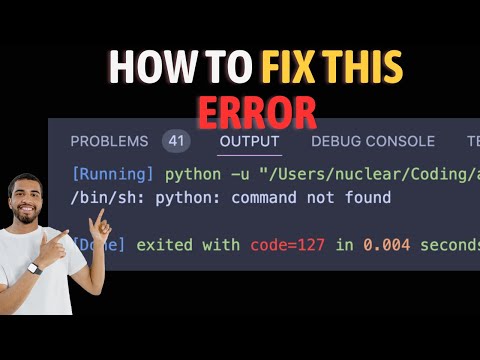
Oh no, have you ever tried to ping something on your Mac using Python, and bam—command not found? It’s kind of like you’re all set for a long road trip but suddenly realize you’ve forgotten the car keys! Super annoying, right?
Honestly, it happens. Macs can be picky sometimes. You’d expect everything to run smoothly, but there we are, facing that frustrating little error message. And if you’re not a tech wizard this can feel even more confusing.
But hey, hang in there. We’re gonna figure this out together and get things running again. Whether you’re just starting with Python or you’ve been around the block a few times here’s what’s probably going on and how we can sort it out!
Mac Ping Response Issues
So you’ve hit a bit of a snag with your Mac and those pesky ping responses, huh? Computers can be as moody as humans sometimes! Let’s try to make sense of this together.
First off, what does “ping” even mean? It’s like sending a little echo reply from one computer to another saying, “Hey, are you there?” It’s a basic way to check if devices on a network can talk to each other. Sometimes that command gets lost or doesn’t respond on Macs.
Common Causes:
- Missing Python Command: If you’re seeing the “Ping Python Command Not Found,” it might be because Python isn’t installed or is improperly configured. Macs used to come pre-installed with Python 2.x, but that’s not always the case anymore.
- Bash Profile Issues: Your Bash profile controls where commands look for programs on your Mac. If paths aren’t set correctly here, it might cause command not found errors.
- Path Errors: The macOS might have path issues where it can’t locate certain executables like the ping command or even Python itself.
Steps to Fix:
- Check Installation: First thing: open Terminal and type `python3 –version`. If you get a version number back, sweet! Otherwise… maybe it’s not installed yet.
- Edit Your Path: Sometimes paths need tweaking. Type `nano ~/.bash_profile` in Terminal—if there’s no file create one yourself!
- Brew It Up:If comfort level high enough homebrew good friend here install both stable environments quick go (after probably installing brew itself first though).
/bin/bash -c "$(curl -fsSL https://raw.githubusercontent.com/Homebrew/install/HEAD/install.sh)"
brew install python
If that’s the case you’d want grab and install from [python.org](https://www.python.org/). After installation you should double-check by typing `python3 –version` again just make sure it’s there now!
Add `export PATH=”/usr/local/bin:$PATH”` at end if necessary but be careful adjusting path has significant implications so only change what understand!
Sometimes fixing things takes few attempts or backtracks—don’t stress though! Everyone’s been down road before found way forward eventually too.
Mac Network Ping Adjustment
Alright, you want to adjust the network ping on your Mac and you’re encountering a situation where the “ping” command isn’t found. This sounds like a run-of-the-mill issue but can be frustrating if you’re trying to troubleshoot or monitor your network connectivity. Let’s see what’s going on and how you can work through it.
First things first, if you’re wondering what a “ping” is, imagine it’s like saying “hello” to another computer and waiting for it to say “hello” back. It helps check if two devices are talking to each other over a network.
Common Reasons for “Ping: Command Not Found”
- Path Issue: Sometimes, the terminal doesn’t know where the ping program is located. Paths are like roadmaps for your system’s command line!
- Missing Developer Tools: If macOS doesn’t have some developer tools installed, certain commands might not be available.
So what can we do about this? Here are some steps that might help:
Check Your Path
Make sure that your terminal knows where to find the necessary programs. You can open Terminal (it’s in Applications > Utilities) and check by typing a simple command:
“`shell
echo $PATH
“`
If everything looks okay here but it still doesn’t work, don’t worry—there’s more we can try!
Install Command Line Tools
Sometimes macOS just needs a gentle nudge with some command line tools. You could open Terminal and type:
“`shell
xcode-select –install
“`
This triggers a download of necessary elements which might have been overlooked during updates or installations.
While there’s often more than one way of solving these puzzles, I’ve seen my own share of head-scratchers too. Once when my Wi-Fi was acting up during an important video call—I almost flipped! That’s when having these tricks up our sleeve becomes super handy.
Lastly, restarting your terminal session might refresh it enough that previously missing bits reconnect inside macOS’ digital maze without needing further fuss—fingers crossed!
Python Command Not Found in Zsh
Oh, having trouble with Python in your command line? It can be super frustrating when you’re just trying to get your work done, and bam! “” pops up. I’ve been there before. Let’s tackle this together.
First things first, don’t worry—this is a common issue, especially for Mac users switching over to the lovely zsh shell. Here’s what might be going on and some ways to fix it.
- Check if Python is installed: Open your terminal and type
python3 --version. If that gives you a version number, great! You’re golden on that front. If it says something like “command not found,” well, then you know it’s not installed. - Install Python: You can grab it via Homebrew—a super handy package manager for Mac. Type
/bin/bash -c "$(curl -fsSL https://raw.githubusercontent.com/Homebrew/install/HEAD/install.sh)"to install Homebrew if you haven’t yet. Then runbrew install python. - Add Python to your PATH: Sometimes it’s just about letting your system know where it’s hiding the Python files. You do this by editing something called the shell profile file (sounds fancy, huh?). Type
echo 'export PATH="/usr/local/opt/python/libexec/bin:$PATH"' >> ~/.zshrc. This command appends the necessary path to your current configuration file. - Activate changes: Once you’ve made those adjustments, you’ll want to refresh or reload your terminal configuration by typing
source ~/.zshrc. - Avoid shortcuts confusion: You might also have multiple versions of Python playing hide and seek on your system—like an older version linked with just plain ‘python’. Try using ‘python3’ directly whenever possible as macOS systems sometimes run ‘Python2.x’ by default.
- Create an alias: If you’re constantly typing ‘python’ out of habit like me—maybe create a shortcut? Adding something like `alias python=’python3’` into `~/.zshrc` would make life easier without breaking any workflows revolving around legacy scripts needing py2-specific syntax!
And there ya go! I reckon following these simple steps should bring back harmony between zsh & python commands within no time at all–remember always include correct paths while working across multiple environments/configurations because hey who doesn’t love smooth troubleshooting experiences & seamless script executions…?
Alright, let’s dig into this. You’ve ever tried running a ping command using Python on your Mac, and suddenly—ring!—you’re hit with the “command not found” message. Gosh, isn’t that a bit of an unwelcome surprise? I’ve been there too! It’s like that time I thought I had everything ready for baking cookies, and then realized halfway through I’d run out of eggs. Just like you might feel when your command doesn’t go through.
So what’s happening here? Sometimes it’s about the PATH environment variable not including the directory where Python is installed. It’s like expecting to find flour in your pantry but realizing it’s in the garage—no wonder we couldn’t find it!
Another reason this happens might be missing or broken symlinks. Symlinks are sort of like shortcuts on your desktop, you know?, but they need to be set up right to work properly.
Now let’s chat fixes. The first step could be checking if Python is correctly installed by running `python3 –version`. If that looks good, ensure `/usr/local/bin` or wherever your Python was installed is included in your PATH variable. Navigating directories can feel like trying to remember where you’ve parked at the mall—but hey, finding that trusty vehicle again: worth it!
A peek at symlinks with `which python3` helps too—in case those shortcuts need a little maintanence touch-up.
Feel baffled a bit? Reinstalling Python using Homebrew often sweeps away these glitches! Picture Homebrew as a Swiss knife for installing stuff on macOS—it simplifies things quite nicely!
Remembering these solutions makes dealing with tech hiccups kinda like solving puzzles on lazy Sunday afternoons: frustrating at first but rewarding when complete.
And oh!, don’t hesitate diving into community forums if you’re still scratching heads after trying these—they’re real goldmines of experience and knowledge shared by folks who’ve walked similar paths before… Pretty insightful stuff lying out there among other cookie fans troubleshooting oven mysteries together too!