You know that feeling when you’re all set to open a file you’ve been working on forever, and, boom, it just won’t open? Ugh, so frustrating! Corrupted files can really throw a wrench into our plans.
I remember this one time—oh boy—it was the night before a big work presentation. I’d stayed up till midnight putting my slides together, then suddenly… crash! My file wouldn’t open. I felt like pulling my hair out!
But hey, don’t panic just yet. We’ve all been there. It’s actually easier than you think to fix corrupted files when you have the right tools and a few tricks up your sleeve.
Ready to dive in? Let’s tackle those corrupted files together and get things back on track!
Repair Process for Corrupted Files
Oh, corrupted files! They’re like those weird graffiti you find on the wall of your digital house, aren’t they? One moment you’re happily working on a file and poof! It becomes unreadable. Now, let’s see how to deal with this little nuisance.
Understanding the Culprit:
Sometimes files get corrupted due to power failures, system crashes or plain ol’ bad luck. It’s almost as if they’re having a little tantrum. Like when my nephew spilled juice on my keyboard—one minute it’s fine; the next, chaos reigns!
Steps to Repair Corrupted Files:
- Create a Copy: First off, always make a copy of the damaged file. Trust me; you don’t want experiments going wrong with your only version.
- Use Built-in Tools: OpenOffice and Microsoft Office often have recovery features that attempt to open corrupted documents. It’s like giving them a little nudge saying, “Buddy, wake up!”
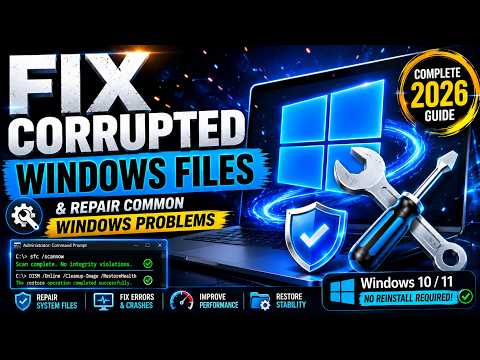
- SFC Scan for Windows: You can use the System File Checker (SFC). It’s pretty much your OS’s way of patching up holes it finds lying around.
- Recovery Programs: If built-in tools don’t quite cut it, there are free programs like Recuva or Wondershare that might just pull off some magic.
- Avoid Future Issues: Make regular backups and use uninterrupted power supplies during storms (files hate sudden interruptions).
A Personal Tale of Woe & Success:
Years back during finals week (yeah, typical college drama), my paper went kaput right before submission. I remembered someone mentioning these steps at a tech meetup—I tried ’em out. And voilà! Resurrected just in time with an SFC scan fix.
You know how sometimes life throws curveballs? Well here’s hoping these steps help catch yours before they fall flat! Keep your files safe till then… In case anything falls outta place again—now you’ve got tricks up your sleeve should things act funny once more!
Windows Tool for Repairing Corrupted Files
Windows computers can sometimes act a bit like mischievous kids, causing chaos when files get corrupted. Whether it’s because of a sudden shutdown or a sneaky virus, corrupt files can be super frustrating. But don’t worry. Windows has got some tools in its toolkit to help fix these problems.
Using the System File Checker (SFC)
The System File Checker is like your computer’s doctor. It scans for and repairs corrupted system files—those essential little guys in making sure Windows runs smoothly.
- Open Command Prompt: You can do this by typing “cmd” in the search box and choosing “Run as administrator.” This ensures you have the right permissions.
- Type the command: Enter
sfc /scannow. This starts the scanning process.For example: If your Notepad won’t open properly, SFC can’t magically fix it, but it checks if critical system files are missing.
- Wait patiently: It might take some time. Go make yourself a cup of tea while waiting!
The Deployment Imaging Service and Management Tool (DISM)
Sometimes SFC needs an extra hand—enter DISM! This tool fixes underlying issues that might prevent SFC from doing its job.
- Access with Command Prompt: You’re already familiar with getting into CMD now.
- The command to use: Type
Dism /Online /Cleanup-Image /RestoreHealth.
This digs deeper to correct any damages in Windows’ image.
You know, like finding that last missing piece in a puzzle!
Anecdote Time: When my laptop refused to boot…
I remember this one time my laptop just wouldn’t start after an ill-timed power cut—not fun at all! I used SFC. Then followed up with DISM due to stubborn errors. In about an hour, everything was back on track!
Understanding these tools means you won’t panic next time something goes wrong—you’ll confidently type away knowing you’ve got this handy toolkit at your side!.
Essential Tools for Repairing Corrupted Files on Windows 10
Gosh, dealing with corrupted files on Windows 10 can be like untangling Christmas lights! It’s one of those situations that’s just a pain until you know what to do. But don’t worry, it’s fixable with the right tools and a bit of patience. Let’s get into it.
First up: Check Disk Utility (CHKDSK). This tool is like having a trusty mechanic for your hard drive. It scans and fixes file system errors and bad sectors that can cause files to get corrupted. You can run it by typing `chkdsk` in Command Prompt—make sure you open it as an administrator first—and let it do its thing.
Next on the list is System File Checker (SFC). Imagine this tool as a doctor for your system files, scanning to find any that are unhealthy and replacing them with fresh copies from your system cache. To use SFC, hop into Command Prompt again and type `sfc /scannow`. You’ll need to wait a bit while it sifts through system files.
Deployment Image Servicing and Management (DISM) repairs Windows images like nobody’s business! It’s there when SFC can’t quite handle things on its own. Use DISM by typing `DISM /Online /Cleanup-Image /RestoreHealth` in Command Prompt—again with admin rights. For folks who find themselves frequently battling file corruption, having DISM in their toolkit is pretty reassuring.
Moving on, if you’re dealing with some really tricky corrupted documents or media files, you might want to consider third-party recovery softwares. They’re handy because they focus specifically on retrieving lost or inaccessible data from certain types of files or even entire partitions sometimes!
A couple more suggestions: Keeping regular backups is an absolute game-changer! Whether you’re using cloud storage solutions or external drives just make sure everything important isn’t living dangerously unprotected; accidents happen when we least expect them!
And hey—to protect against future woes—consider investing some time learning about cyber hygiene practices such as keeping your OS updated regularly since new patches often address vulnerabilities before they become serious problems.
Ah, repairing corrupted files—what a topic! It feels like digital archaeology sometimes. You dive deep, trying to piece things back together while hoping your files don’t remain lost relics.
I remember once, a close friend of mine—a writer—had that dreaded moment. Her laptop crashed and with it vanished her latest manuscript in a whirl of corrupted data. Panic set in instantly. But, you know what? With a bit of patience and the right methods, she got most of it back.
When facing corrupted files, the first thing is to stay calm. It’s easy to feel overwhelmed by technical stuff but trust me—it could be simpler than it seems. There are plenty of tools out there specifically designed for situations like this. Tools that act like little digital detectives hunting for clues!
For starters, you can use built-in utilities on Windows or macOS that offer basic repair functions for common file types. They might not always work miracles but they’re worth trying initially since they’re right at your fingertips.
Then there are specialized software options. Things like Stellar File Repair or Disk Drill often come in handy when the situation calls for something more robust than what your system offers by default.
An interesting quirk to remember: sometimes simply copying the file to another location can help fix minor issues or allow some tools better access to attempt repairs.
One last thing—always keep backups whenever possible! This might sound trivial until one day you get smacked by unexpected data loss without warning (and believe me these things always seem go off when least expected).
At the end of it all having reliable backups helps make sure no stolen words remain lost in limbo forever again!